Events aren't a strategy. Follow-up is.

Most teams treat events as lead magnets. But the real ROI happens after the event, in the follow-up. Without it, even the best event is just expensive networking.
Picture the scene. You've just walked off the floor of a major industry conference. Your pockets are stuffed with business cards. Your phone is buzzing with LinkedIn notifications. You've had a dozen meaningful conversations, shaken hands with the right people, and left three or four interactions thinking “that could be something.”
Then Monday arrives. You're buried in your inbox. The week takes over.
And all that momentum, every warm conversation, every shared problem, every "let's chat more about this"quietly evaporates.
This is the event trap. And almost every sales team falls into it.
The event trap
There's a seductive belief in B2B sales that events do the selling for you. That if you show up to the right conference, sponsor the right booth, or get on the right panel, the leads will convert on their own.
They won't.
Events create opportunities. They don't close deals. The difference between a team that generates a real pipeline from events and one that collects business cards and calls it a day isn't the quality of the event. It's what happens in the 72 hours after the doors close.
So what does the most follow-up look like?
You connect on LinkedIn,
Send a boilerplate "great to meet you" email,
Maybe drop them into a nurture sequence,
And wait.
Boring.
The problem is, so does everyone else they met at the event. You've become undifferentiated noise in a crowded inbox. Indistinguishable from the other 15 people who followed up with the exact same template.
Momentum dies before it starts. The moment is lost. Not because the prospect wasn't interested, but because nothing gave them a reason to respond.
"Events don't close deals. Follow-up does. The best event strategy in the world is worthless without the discipline to act on it."
So why does this happen?
The event trap persists for a few predictable reasons. First, teams measure the wrong things. Success gets defined by badges scanned, booths visited, or cards collected.
They’re inputs, not outcomes.
So when the event ends, the KPI is already ticked. Nobody's held accountable for what happens next.
Second, follow-up gets treated as an afterthought.
The event itself gets weeks of planning. The stand design, the talking points, the social posts, the swag. The follow-up strategy? Usually, a rushed email drafted on the train home.
Third, and this is the one nobody talks about, people mistake a warm handshake for a warm lead. A great conversation at an event creates goodwill. It doesn't create intent. That intent has to be developed, and development requires follow-through.
Don’t forget that last one. Because they’re most certainly not a lead. Yet.
The 24-hour rule
Memory is short, and we’re most certainly not the centre of our prospects' universe.
In the 24 hours after an event, the people you spoke to still remember your face, your energy, and the context of the conversation. By day three, you're already fading. By the end of the week, you're gone.
So, the thing to remember? We’re totally and absolutely forgettable.
We can change that with the right behaviour.
That window is your biggest asset in post-event follow-up. Use it.
Is the rule simple? Follow up within 24 hours. Maximum.
Not too fast. Not too fast. Not too slow.
Channel your inner Goldilocks. Get the timing just right.
And not with a pitch. Not with a product deck. With relevance, value and meaning.
What good follow-up looks like
"Great to meet you at [event]. The point you raised about [specific problem] really stuck with me. We've been seeing the same pattern in your sector. Here's something that we’ve seen solve that. Would love to share more if it's useful."
Notice what that message does?
It shows you were listening. It references something specific. A pain point they raised, not a talking point you rehearsed. It offers value before asking for anything.
It leads with value. A chance to connect. Not prospect.
And it ends with a soft, low-stakes invitation rather than a sleazy request for a 30-minute demo.
That's how you turn a chance encounter into a conversation. That's how you earn the right to continue the dialogue.
The alternative? The generic "great connecting, let me know if I can help" email does none of that.
It signals that you either weren't paying attention or that you don't care enough to be specific. In a world where buyers are time-poor and inbox-weary, generic is the same as invisible.
The 3-step event playbook
Good event follow-up doesn't start after the event. It starts before you walk through the door.
And theres a simple framework that separates teams who convert event conversations into pipeline from those who don't
Step 1 - Set up the outcome before the event
Review the attendee list. Identify five to ten people worth a focused conversation.
Where possible, book time in advance, a coffee, a 15-minute chat, anything that creates a scheduled moment.
This converts a chance encounter into a committed conversation and gives you a natural reason to follow up with specific next steps rather than a cold re-introduction.
Step 2 - Capture pain, not titles, during the event
Most people take notes on job titles and company names. The reps who consistently convert events take notes on problems.
"Sarah, VP Ops, struggling with supplier visibility, reviewing tools in Q3."
That one line tells you everything you need to write a follow-up that feels personal. Job titles don't help you write relevant messages. Problems do.
Step 3 - Lead with xontext, not copy-paste after the event
Within 24 hours (max), send a message that proves you listened. Reference the specific thing they said.
Offer something genuinely useful, a piece of thorough leadership, an insight, a resource, without making it a sales approach.
Then have a clear, single ask. One follow-up, one action. Don't make them work to figure out what you want from them. Leave the door open to keep sharing value.
Let’s wrap this up
There's a mental model shift that changes everything here: stop thinking of events as lead generation and start thinking of them as relationship acceleration.
Events compress months of cold outreach into a single afternoon. In 20 minutes over a coffee, you can build the kind of rapport that 10 emails never would.
Why? human connection.
But that compressed rapport only converts into pipeline if you honour it. If you follow up like it mattered. If you treat the conversation as the beginning of something, not the end.
The teams that win at events are the ones who walk off the floor knowing exactly what they'll be doing the next morning. They've got five names, five notes on pain points, and five personalised messages half-drafted before they've even caught their flight home.
One more thing worth saying: not everyone will convert.
Some conversations are just conversations. But the discipline of consistently following up and doing it well dramatically improves your odds.
A thoughtful, relevant follow-up within 24 hours converts at a meaningfully higher rate than a generic one sent three days later. The data on this is consistent. The window matters.
Your next five deals might already be sitting in your post-event inbox. The only question is whether you're going to go and get them.
More Opinions
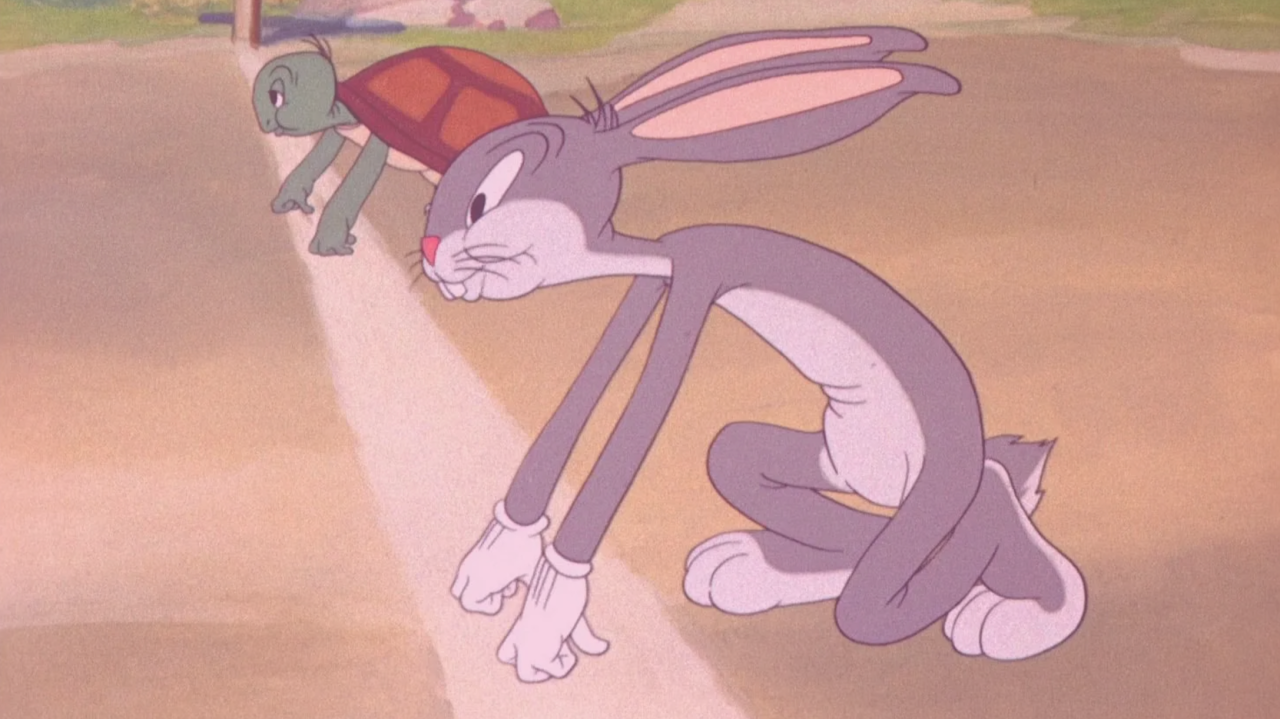

Shake the tree strategy
Your next deal isn’t cold, it’s stalled. Shake the Tree helps you re-engage warm opportunities: lost pitches, quiet prospects, drifting clients. Focus on your overlooked mid-funnel and restart real conversations, naturally, thoughtfully, and without lazy follow-ups. No gimmicks, just smarter pipeline growth.
